Hearing loss is more common than most of us might realize, but misinformation continues to prevent many people from seeking proper care. And with hearing loss, getting the right care at the right time is critical. Believing common hearing loss myths can delay diagnosis, impact communication, and reduce your overall quality of life.
If you have concerns about your hearing, knowing the truth (and the myths!) can help you make informed decisions about your health and proceed with greater confidence. Let’s take a closer look at seven hearing loss myths that deserve to be clarified, along with the truths that put them in their place.
1. Myth: Only Older Adults Have Hearing Loss
While age-related hearing changes are common, hearing loss can occur at any age. Noise exposure, genetics, infections, certain medications, and underlying medical conditions can all contribute to hearing problems in younger adults and even children.
Assuming hearing loss is only an “aging issue” can prevent people from recognizing early symptoms and seeking appropriate care.
2. Myth: If I Can Hear, I Don’t Have Hearing Loss
Hearing loss doesn’t have to mean complete deafness. In fact, many people with mild or moderate hearing loss can still hear sounds, but they struggle to understand speech clearly. Between perfect hearing and total hearing loss is a wide spectrum of hearing challenges.
You might notice difficulty following conversations in noisy environments, frequently asking others to repeat themselves, or feeling mentally exhausted after social interactions. These are common early signs of hearing changes that should not be ignored.
3. Myth: Hearing Loss Is Simply an Inconvenience
Untreated hearing loss can affect more than just communication. Research has linked unmanaged hearing loss to social withdrawal, increased stress, cognitive strain, and even a higher risk of depression.
Addressing hearing concerns early helps protect not only your ability to communicate, but also your overall well-being.
4. Myth: Hearing Aids Make Your Hearing Worse
Some people believe that wearing hearing aids will cause their hearing to deteriorate more quickly, but that is not true.
Hearing aids do not damage your ears. Instead, they amplify sounds based on your hearing test results. In many cases, using hearing aids can help the brain stay engaged in processing sound, supporting long-term auditory health.
5. Myth: Hearing Aids Are Large and Obvious
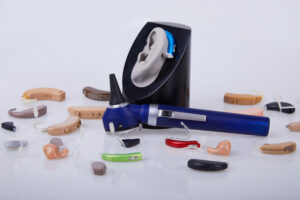
Modern hearing technology has advanced significantly. Today’s devices are smaller and more powerful than ever. Many hearing aids are nearly invisible when worn and can be customized to fit comfortably inside or behind the ear.
In addition to their size, modern hearing aids often include beneficial features like background noise reduction, Bluetooth connectivity, and automatic sound adjustments.
6. Myth: If My Hearing Loss Is Mild, I Don’t Need Treatment
Even mild hearing loss can impact communication and daily life. Early treatment helps prevent listening fatigue and reduces the strain placed on the brain during conversations.
The earlier that hearing changes are addressed, the easier it is to adapt and maintain strong communication skills.
7. Myth: Over-the-Counter Solutions Are Always Enough
While some over-the-counter hearing devices may provide basic amplification, they are not customized to your specific hearing profile. A professional hearing evaluation ensures that treatment is tailored to your individual needs.
Personalized care makes a significant difference in both comfort and clarity.
Don’t Let Hearing Loss Myths Hold You Back
Any change in hearing can feel scary, which is why many people brush it off and delay seeking care. But believing common myths about hearing loss can make symptoms more challenging over time. The good news is that hearing evaluations are simple, painless, and highly informative.
If you’ve noticed changes in your hearing (even subtle ones), a professional assessment is an important first step. Early intervention can improve not only communication, but also overall quality of life.
If you want to learn more about your hearing health or schedule a hearing evaluation, our team is here to help! Call Colorado Ear Care today for a consultation.