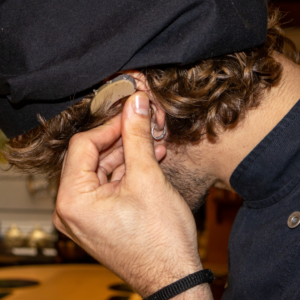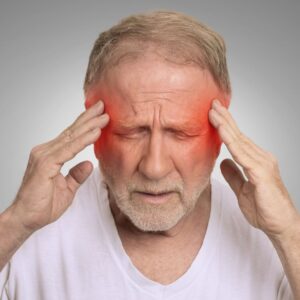
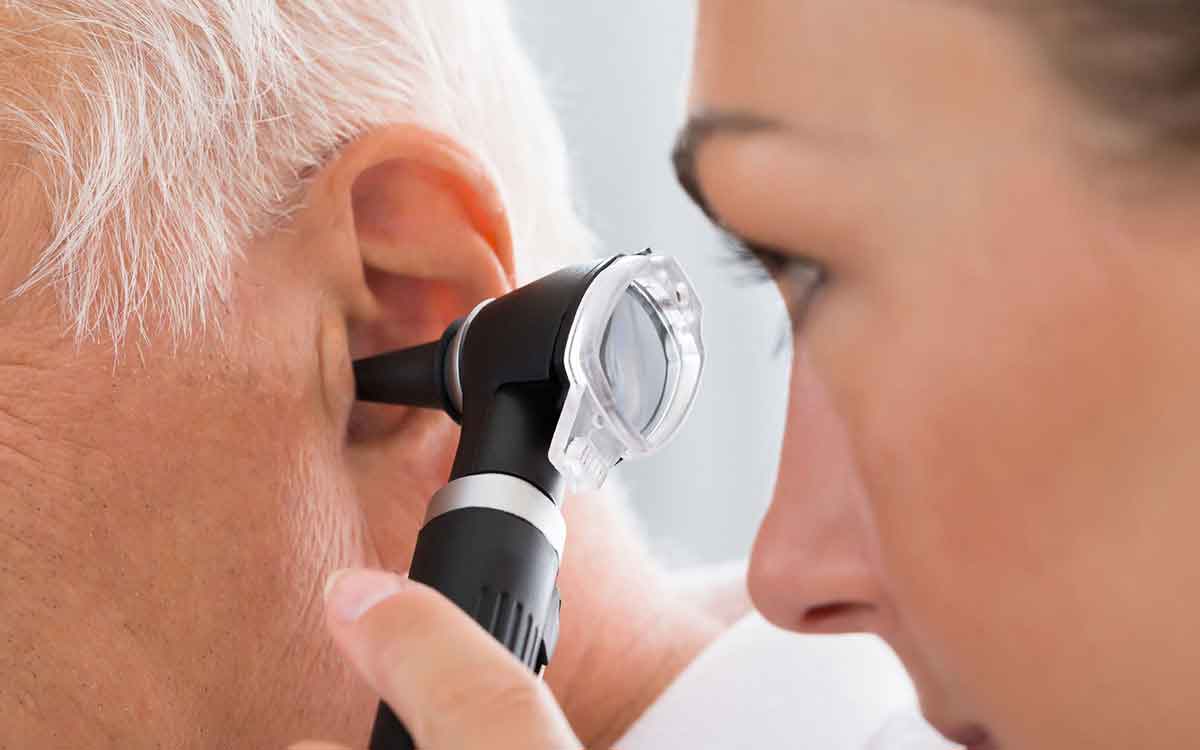
Auditory decline frequently advances as an incremental process, making it likely to be ignored during its initial onset. Many people adjust without realizing it by increasing the TV volume, asking others to repeat themselves, or avoiding crowded environments.
But recognizing the early signs of hearing loss is a priority.
Common Symptoms of Early Hearing Loss
If you identify any of these early warnings, we suggest scheduling a professional hearing assessment to establish a baseline.
- Difficulty understanding conversations, especially in loud areas with a lot of activity.
- A regular need of requesting clarification during conversation.
- Muffled or blurred vocalizations, where words sound blended together.
- Turning up the volume on the TV, phone, or radio higher than others prefer.
- Trouble perceiving high-frequency audio, including children’s voices, birds, or electronic alerts.
- Persistent ear ringing or humming associated with tinnitus.
- Feeling mentally exhausted after conversations, due to the strain of auditory processing.
- Isolating from group interactions as conversational tracking becomes difficult.
Initial symptoms of auditory decline might manifest in unilateral or bilateral patterns and fluctuate in frequency initially. Because the brain adapts quickly, many people fail to recognize how much they’re compensating until hearing loss advances further.
Auditory Health: Current Statistics and Projections
According to the World Health Organization, over 700 million people will necessitate hearing rehabilitation by 2050. Other noteworthy statistics consist of:
- By 2050, approximately 2.5 billion people are expected to have some degree of hearing loss.
- Over 5% of the world’s population (430 million people) necessitates support to address disabling hearing loss.
- More than 1 billion younger individuals are at risk of avoidable hearing loss due to hazardous acoustic habits.
- Among those aged 60 and older, over 25% suffer from disabling hearing loss.
Why Timely Auditory Assessment Matters
Neglecting auditory shifts can have systemic health consequences that are frequently overlooked.
Data confirms a link between auditory impairment and an increased likelihood of cognitive decline and mobility issues.
Addressing symptoms at the onset facilitates more treatment options and improved clinical results.
A hearing evaluation helps identify if shifts stem from presbycusis-driven hearing loss, acoustic trauma, earwax buildup, infection, or another medical condition.
Occasionally, auditory changes are not permanent and can be effectively addressed.
In others, timely adoption of hearing aid technology or preventative measures can slow progression.
Guidelines for Consulting an Audiologist
It is recommended to seek an evaluation with a hearing specialist if:
- Auditory symptoms persist for a duration exceeding several weeks.
- Difficulty hearing begins to impact work or personal routines.
- If you encounter acute auditory decline, vertigo, or persistent tinnitus (which requires immediate attention).
Tests for hearing are painless and supply valuable information regarding your ear health.
Reach out to our specialists if you are interested in scheduling a baseline hearing evaluation.
Auditory Health FAQ: Initial Symptoms
Q: Is hearing loss always age-related?
A: No. While age-related hearing loss is common, hearing changes can also result from noise exposure, medications, infections, genetics, or underlying medical conditions.
Question: Are there cases where hearing loss is reversible?
A: In specific instances involving earwax or infection, hearing may be restored. Other types are permanent but can often be effectively managed with treatment or hearing devices.
Question: How frequently should an individual undergo a hearing test?
A: Adults should have a baseline hearing test by age 50, or earlier if symptoms or risk factors are present.