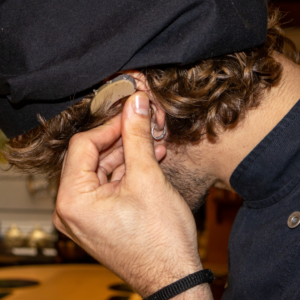

It is a widespread misconception that hearing begins and ends with the ears, but the reality is more complex. However, the ability to perceive sound is equally dependent on the auditory cortex as it is on the physical ear.
This term defines the brain’s specialized role in translating raw sound waves into coherent linguistic data. For instance, a patient may possess perfect physical hearing yet remain unable to decipher the intent behind a spoken sentence. This critical gap between acoustic reception and cognitive interpretation is the primary domain of cognitive hearing.
The Science of Cognitive Audition: How the Brain Listens
At its core, cognitive hearing is the neurological mechanism that extracts significance from auditory stimuli. After sound waves pass through the cochlea, they are sent via the auditory nerve to the brain to be synthesized into language.
Successful sound interpretation requires the synergy of multiple executive functions, including:
- Attention
- Neural Storage Capacity
- Neural Processing Velocity
- Cognitive Management Systems
Efficiency in these neural systems results in the perception of clear and easy speech comprehension. But when they’re strained, understanding speech (especially in background noise) becomes more difficult.
Defining Central Auditory Processing Deficits
This condition is characterized by a failure in the neural pathways responsible for sound decoding. A patient may “hear” a sound with perfect clarity but lack the neural resources to contextualize or recall it.
This neurological impairment often appears in tandem with physical damage to the inner ear or cochlea. While aging is a risk factor for cognitive auditory decline, many seniors maintain high-level processing throughout their lives.
How to Identify Brain-Based Hearing Challenges
One must remain vigilant, as these cognitive auditory deficits frequently emerge without dramatic symptoms.
Frequent clinical markers of this condition include:
- Inability to isolate a single voice in a crowded room
- Recent auditory memory impairment
- Noticeable pauses before answering simple questions
- Increased listening fatigue by the end of the day
Many people describe feeling mentally drained after social gatherings or meetings, even if they were able to “hear” the conversation. Admittedly, this specific symptom of exhaustion is not a standalone proof of auditory decline. Should this exhaustion coexist with other processing challenges, it likely points toward cognitive hearing loss.
How Hearing Impairment Alters Brain Processing
As auditory input degrades, the brain must exert significant cognitive effort to reconstruct fragmented data. This extra work creates a neural drain, pulling processing power away from executive functions and memory.
Left unaddressed, chronic auditory impairment is linked to several long-term issues, including:
- Reduced cognitive efficiency
- Short-term and Long-term Retention Deficits
- Withdrawal from community life caused by linguistic frustration
Fortunately, addressing hearing concerns early helps reduce this cognitive load and supports overall brain health.
The Role of Professional Care in Reducing Cognitive Load
Absolutely. Clinical intervention is highly effective at lowering the neurological energy spent on listening. Modern amplification technology sharpens the acoustic signal, allowing the brain to stop over-compensating for missing sounds.
Improved auditory input allows neural resources to return to their primary roles in memory and analysis. A holistic approach to hearing health yields better acoustic resolution and lowers daily fatigue.
Proactive Diagnostics for Neural Auditory Health
Should you find conversations increasingly difficult to follow, a clinical assessment is highly recommended.
Your specialist may utilize various testing methods, such as:
- Full Audiometric Sensitivity Evaluations
- Clinical SNR (Signal-to-Noise Ratio) Evaluations
- Neurological Baseline Screenings
Speech-in-noise testing is particularly helpful in identifying processing challenges that may not appear in a quiet testing environment. A prompt evaluation ensures that a patient receives a targeted strategy to maintain high-level cognitive and auditory performance.
Common Inquiries Regarding Cognitive Auditory Processing
Is cognitive hearing loss the same as dementia?
Negative. These challenges are specifically related to the neural mechanics of listening and sound interpretation. Although long-term auditory deprivation is a known risk factor for broader decline, the two pathologies are distinct.
Can hearing aids improve focus?
Absolutely. Reducing the “mental work” of listening allows the brain to redirect its resources toward sustained attention.
The Clinical Process for Assessing Brain-Based Hearing
Testing usually consists of a high-resolution hearing exam and an analysis of listening capacity in challenging environments. In some cases, cognitive screening tools may be used to better understand processing challenges.
Take the First Step Toward Clearer Understanding
Should you find that deciphering language requires excessive effort, a professional consultation is a vital first step for your health. Phone our practice now to begin the process of restoring your auditory clarity. Addressing your concerns today ensures a higher quality of life and sustained neurological performance for years to come.