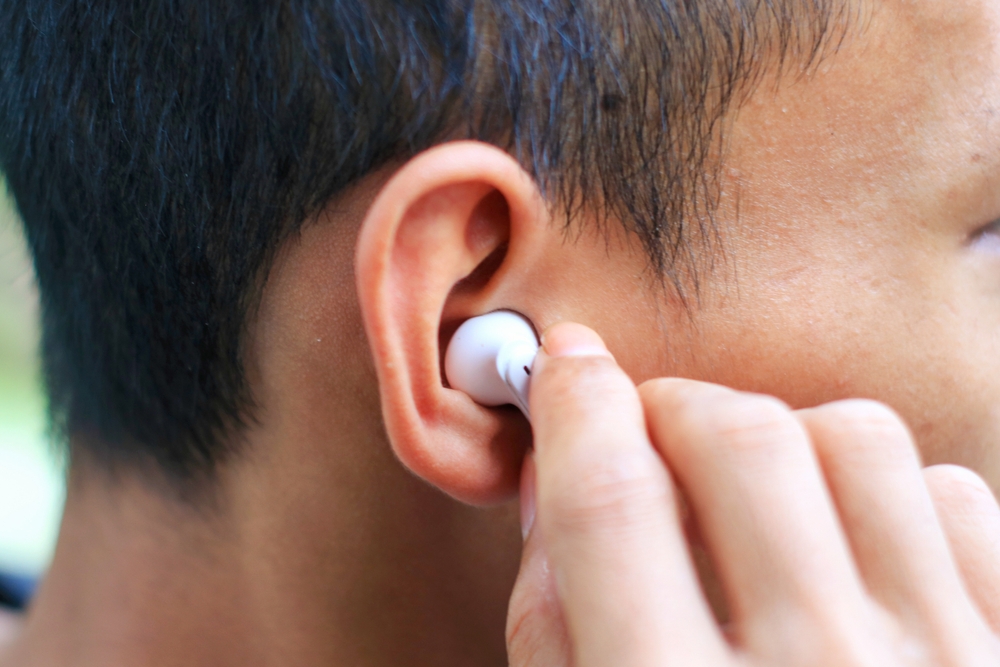
In modern public spaces, the sight of a young person without some form of in-ear audio is rare. Even with their larger footprint, headphones remain a popular choice for teenagers looking to disconnect from the world. We all enjoy listening to music, no matter our age, but younger people rely on music to pass the time. Does the immediate physical closeness of these transducers to our ears result in measurable hearing loss? Ultimately, hearing health depends on the management of volume and duration rather than the device category.
The Biological Threshold of Auditory Exposure
Listening to music can be relaxing, soothe our souls, or wind us up. The outcome is entirely dependent on the genre and frequency of the audio. Personal audio tech provides a convenient way to consume media without infringing on the silence of those nearby. That’s a positive thing, and most people will tell you that they are grateful and prefer that on a train or bus.
The primary clinical concerns center on the precise limits of sound pressure and the length of the listening session. It is well-established that loud noise, regardless of the source, can compromise your long-term hearing sensitivity. When you listen for too long a time and at a very loud volume, you can irreparably damage your hearing. Hearing loss occurs gradually, so by the time you realize what’s happening, it may be too late.
Identifying the Critical Risks of Personal Audio
High volume stands as the most significant threat to the preservation of hearing sensitivity. Yet, we must remember that the length of time spent listening is equally important as the decibel level.
- The National Institutes of Health (NIH) recommends listening at below 70 decibels. Even after long exposure, you won’t have any hearing loss.
- There is a direct correlation between increased sound pressure and the speed of hearing degradation.
- Audiologists recommend the 60/60 rule: stay below 60% of max volume and limit sessions to one hour.
- Taking control of your volume slider and managing your time is the best defense against hearing loss.
Indicators That You May Need a Hearing Evaluation
Experiencing aural fullness, persistent **tinnitus**, or difficulty deciphering dialogue in crowds suggests it is time for a clinical hearing test.
If you suspect a decline in your hearing, contact our office to begin a professional diagnostic process.