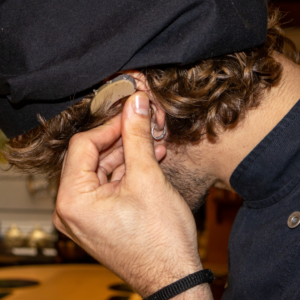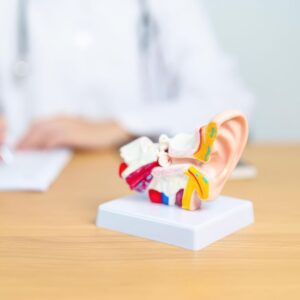

Advanced hearing aids are engineered to support your distinct hearing loss challenges. Whether you are new to wearing hearing aids or have been wearing them for years, if your hearing aids cause headaches or any other type of pain, there is a solution. A fully optimized hearing aid fits effortlessly inside your ear and delivers the exact volume boosts your individual condition demands. Should this fail to occur, you must verify that you possess the correct style of hearing aid and that a qualified hearing instrument specialist adjusted it.
How to tell when your hearing aid demands recalibration
Where your hearing aids fail to match your ear anatomy, hearing aids cause headaches, are misused, or lack clinical adjustment over time, these negative outcomes can happen:
Defective Acoustic Performance. Hearing aids that lack expert adjustment can excessively boost sharp noises, generating distressing screeching tones that stress your delicate hearing structures. Hearing aids in this condition can also make low-intensity sounds inaudible.
High-Pitched Feedback. An uncalibrated hearing aid might catch and over-amplify ambient sounds like rushing air, producing irritating acoustic squeals.
Aching Headaches and Tinnitus Flares. Hearing aids taking in loud acoustic signals and intensifying them can strain the ears, generating tension headaches along with tinnitus. This issue standardly manifests in hearing aids where the internal gain parameters have been programmed to excessive levels.
Understanding Over-the-Counter Hearing Aids
While retail over-the-counter hearing aids, also termed personal sound amplification devices, remain accessible and budget-friendly compared to prescription hearing aids, they cannot be fine-tuned for your personal hearing loss needs.
Correcting hearing difficulties calls for a complex approach beyond simply making audio louder. Many patients with hearing loss specifically lose their capacity to detect precise pitch frequencies. Hearing aid settings also have to be adjusted to allow the individual to be able to hear adequately in different environments.
Getting your hearing aid professionally adjusted
To guarantee your device sits properly in your ear, arrange to have your custom hearing aid fitted by a professional hearing instrument specialist. Precise physical impressions can be molded from your ear canal to fabricate a perfectly customized hearing aid. Taking this step eliminates pressure points from poorly fitted hearing aids that cause headaches. Following correct physical placement, your trusted hearing instrument specialist needs to calibrate the digital hearing aid options, allowing you to isolate targeted speech from ambient noise.
Your hearing aid should also make automatic adjustments, which will allow you to hear background noises in different environments without interference. Achieving this level of performance can necessitate several consultations with your hearing instrument specialist to confirm your chosen hearing aid fits your routine. Should you present with severe hearing loss, all programming modifications to your hearing aid will occur incrementally, giving your brain adequate time to adjust to increased volume.