Tracking speech in busy dining venues can feel exhausting when environmental noise drowns out your hearing. Our practice provides targeted diagnostics to evaluate hearing in quiet atmospheres as well as complex noise environments. As soon as we identify the physiological cause of your difficult hearing, we deliver personalized rehabilitation options.
Why Do I Hear Well in Quiet but Struggle in Restaurants?
A tranquil environment produces a beneficial signal-to-noise ratio where spoken dialogue easily overpowers weak ambient noise. Dining rooms present an unfavorable acoustic reversal of this dynamic. Background voices, loud music, service clatter, and wall reflections collide with spoken words, demanding heightened cognitive processing to isolate individual speech.
These auditory struggles commonly accompany untreated high-frequency hearing loss, central processing delays, or presbycusis. Cognitive exhaustion, physical fatigue, low ambient lighting, and increased distance from your conversational partner further compound the challenge. Certain patients demonstrate normal sensitivity on routine audiograms while struggling significantly during advanced speech-in-noise testing. Experiencing speech-recognition struggles in noisy dining venues warrants a formal audiological evaluation regardless of seemingly normal quiet hearing.
Clinical Evaluation of High-Frequency Hearing Loss
We begin by reviewing your history of communication difficulties, prior noise exposures, ringing or tinnitus, pharmaceuticals, and unilateral symptoms.
Pure-tone audiometry measures the softest sounds you can hear at different pitches through air and bone conduction. Sensorineural high-frequency hearing loss demonstrates an audiometric slope reflecting diminished hearing thresholds as sound frequencies climb. Further clinical diagnostics feature tympanometry to evaluate eardrum and middle-ear mechanics as well as word-recognition testing for speech comprehension.
Standard quiet test booths fail to simulate real-world restaurant noise, making speech-in-noise testing a crucial clinical tool. It calculates your ability to identify verbal phrases as competing background noise levels rise. Interpreted together, these clinical scores demonstrate whether listening struggles originate from loss of audibility, speech clarity deficits, auditory processing delays, or combined elements.
How Do Auditory Processing Disorders Affect Hearing in Adults?
A central auditory processing disorder disrupts the neurological transmission and cognitive interpretation of sound waves. The physical ear mechanisms may capture tones correctly, but the central brain pathways struggle to filter competing inputs, parse similar consonants, or interpret rapid speech. We first rule out peripheral sensorineural deficits before deciding whether a dedicated auditory-processing test protocol or specialist referral is indicated.
Practical Strategies for Improving Speech Understanding in Noise
Small, intentional adaptations can optimize the clarity of speech reaching your ears and leverage helpful visual speech cues. Prior to dining, choose venues known for lower noise levels or schedule meals during quieter dining hours. Venues with booths, acoustic panels, curtains, carpeting, and other sound-absorbing features may be easier than open rooms filled with hard surfaces.
Practical seating strategies in the dining room:
- Request table placement positioned away from dishwashing stations, bustling bars, sound speakers, and celebratory gatherings.
- Position yourself with your back toward a solid partition to dampen intrusive background noise from behind.
- Position yourself directly opposite your companions where direct lighting highlights their facial expressions.
- Keep the distance between speakers as short as comfortably possible.
- Direct your better-performing ear toward the companion you most need to understand.
- Request that companions rephrase misunderstandings using different words rather than repeating the same sentence.
- Clarify critical details explicitly instead of nodding along or pretending to catch the message.
- Allow yourself a short listening respite when auditory concentration starts to feel drained.
- Encourage friends to enunciate clearly while maintaining an even, normal conversational tempo.
- Raised or shouting voices warp acoustic phonetics and rarely improve speech intelligibility.
Modern Audiological Tools for Managing Background Noise
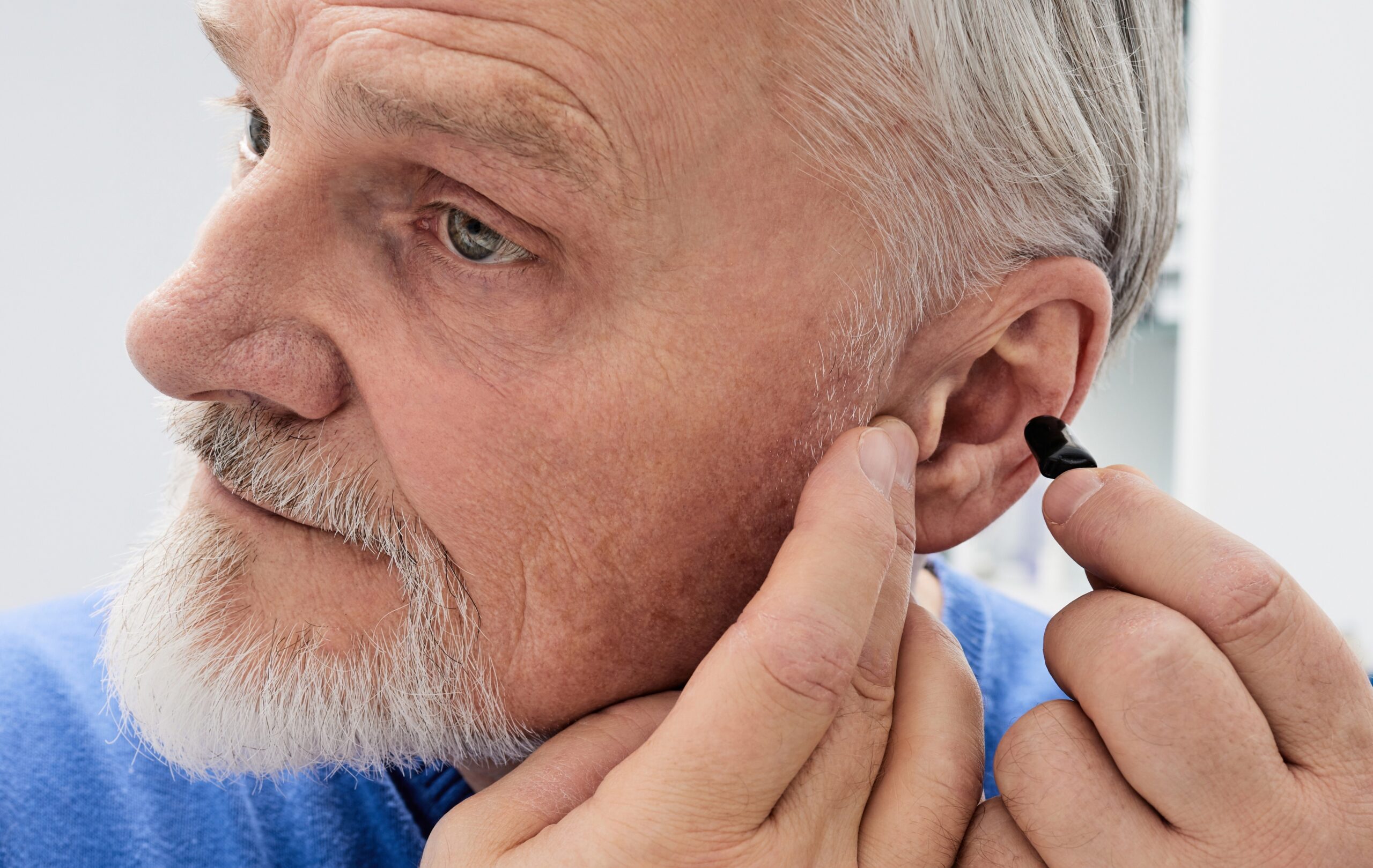
Selecting the ideal assistive technology depends upon underlying diagnosis, specific acoustic challenges, and verified hearing loss. Customized hearing aids employ directional microphone beamforming, noise cancellation algorithms, and targeted dining programs to prioritize speakers in front while lowering ambient noise. They still require realistic expectations because no device can remove every unwanted voice.
Remote wireless microphones offer an exceptional boost to the signal-to-noise ratio in challenging venues. Worn on the speaker’s collar or set on the table, the microphone broadcasts direct audio to paired hearing aids or specialized receivers. This reduces the effects of distance and surrounding noise.
Further practical hearing technology options include:
- Omnidirectional table microphones designed for group dining tables
- Hearing-loop telecoils that stream clean audio in loop-equipped establishments
- Smartphone live-captioning platforms providing instant speech-to-text visual support
- Over-the-counter hearables equipped with directional speech-enhancement algorithms
- Acoustic sound-meter apps and dining review directories that score restaurant noise
Our team can compare these systems, verify device compatibility with your hearing aids, and provide comprehensive training on their use.
Professional Audiological Solutions for Loud Listening Environments
Clinical hearing evaluations progress the diagnostic process past the typical assertion that hearing is adequate in quiet. We assess the specific acoustic settings, speaker dynamics, and volume levels that disrupt your hearing to administer targeted evaluations. Your comprehensive workup may involve pure-tone hearing thresholds, middle-ear testing, recorded word recognition, and speech-in-noise measures. Auditory-processing testing may be considered when the history and initial results support it.
Abrupt auditory reductions, unilateral hearing shifts, or rapid functional deterioration require prompt assessment by an ear, nose, and throat physician. Individualized diagnostic care pinpoints the precise physiological etiology rather than merely blaming restaurant noise for communication struggles.
Request an Audiology and Hearing Evaluation Today
If struggling through dinner conversation leaves you mentally exhausted, detached, or constantly guessing, schedule a complete hearing evaluation with our clinic. We can evaluate targeted solutions to optimize your hearing in noisy environments using prescription hearing aids, assistive listening technology, or communication strategies tailored to you.
Contact our audiology office today to schedule your evaluation and move toward effortless, confident conversations.