Muffled hearing can affect every aspect of your life, leaving you feeling disoriented and disconnected from the world around you. Many people immediately worry they’re experiencing permanent hearing loss, when in reality, the cause may be something much simpler: earwax buildup.
Understanding the difference between earwax buildup vs. hearing loss can help you know when a quick fix is possible and when it may be time to consider a hearing aid or seek a hearing evaluation. If you’re experiencing muffled hearing, don’t panic. An exam can help you get to the bottom of it, but in the meantime, here’s what you need to know about earwax buildup (also known as earwax blockage) vs. hearing loss.
What Earwax Buildup Feels Like
Earwax (cerumen) is a normal, protective substance that helps trap dust and debris and keeps the ear canal healthy. Problems arise when too much wax accumulates or becomes impacted.
Common signs of earwax buildup include:
- Gradual or sudden muffled hearing
- A feeling of fullness or blockage in the ear
- Ear discomfort or mild pain
- Ringing in the ear (tinnitus)
- Hearing that improves temporarily after yawning or chewing
Earwax-related hearing issues are often uneven, affecting one ear more than the other. Luckily, once excess wax is safely removed, hearing often returns to normal right away.
What Hearing Loss Feels Like
Hearing loss, especially age-related or noise-induced hearing loss, tends to develop gradually and doesn’t improve when the ear is cleared.
Signs of true hearing loss may include:
- Difficulty understanding speech, especially in noisy environments
- Frequently asking people to repeat themselves
- Turning up the TV or phone volume higher than others prefer
- Trouble hearing high-pitched sounds
- Hearing equally reduced in both ears
Unlike earwax buildup, hearing loss doesn’t typically cause a sensation of blockage or pressure.
Key Differences at a Glance
When comparing earwax buildup vs. hearing loss, a few clues can help point you in the right direction:
- Onset: Earwax issues often come on suddenly; hearing loss develops slowly
- Reversibility: Wax-related hearing changes are usually temporary; hearing loss is often permanent
- Symptoms: Fullness and discomfort suggest wax; speech clarity issues suggest hearing loss
- Laterality: Wax often affects one ear; hearing loss commonly affects both
Why You Shouldn’t Self-Diagnose
It’s tempting to assume earwax is the culprit — and reach for cotton swabs or over-the-counter kits. Unfortunately, these can push wax deeper and worsen the problem.
According to the National Library of Medicine, inserting objects into the ear canal increases the risk of impaction and injury.
Similarly, ignoring early hearing loss can delay treatment that helps preserve communication, safety, and quality of life.
How a Professional Evaluation Helps
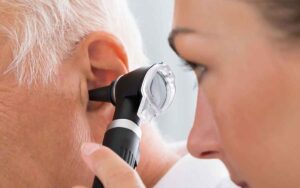
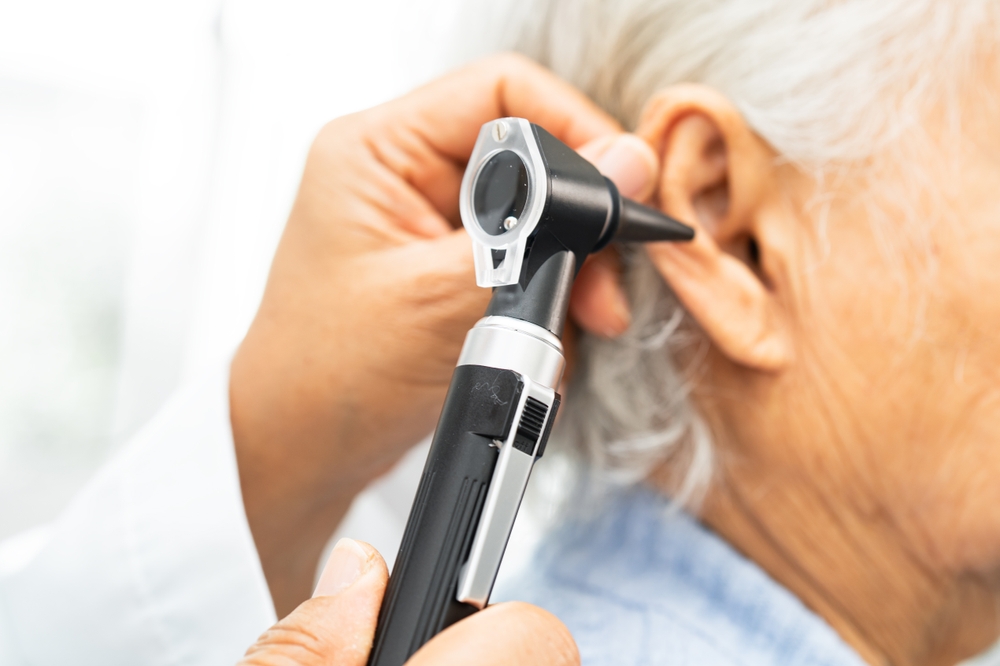
A simple ear exam can quickly determine whether earwax is blocking the canal. If wax is present, safe removal often resolves symptoms on the spot.
If the ear canal is clear but hearing difficulties persist, a hearing test can assess whether hearing loss is present and identify its type and severity.
The National Institute on Deafness and Other Communication Disorders (NIDCD) recommends prompt evaluation whenever changes in hearing interfere with your daily life.
Is It Earwax Blockage or Hearing Loss?
Muffled hearing doesn’t always mean permanent damage. In many cases, earwax buildup is the cause, and it’s highly treatable. Your audiology care team can help you get to the root cause of muffled hearing so you can proceed with confidence and peace of mind.
Remember: The only reliable way to tell the difference between earwax buildup and hearing loss is with a professional evaluation. Getting clarity early can prevent unnecessary worry and ensure you receive the right care at the right time.
If your hearing feels off, don’t guess. A quick check can make all the difference, so contact our team of specialists at Colorado Ear Care today.