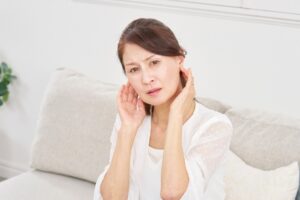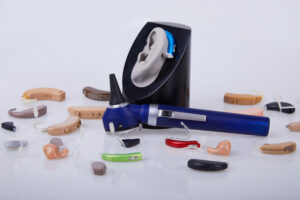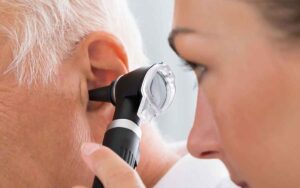

We usually associate hearing changes with aging or noise exposure, but the time of year can also affect how well we hear. If it seems that your ears often feel more blocked in the winter or more irritated during the summer, you’re probably right. Seasonal hearing loss symptoms are common and often linked to environmental factors that change throughout the year.
Luckily, understanding how each season can impact your ears can help you recognize which symptoms are temporary and which could require medical attention.
Why Do Hearing Symptoms Change With the Seasons?
Your ears are closely connected to your sinuses, immune system, and overall health. That means changes in temperature and allergens can influence fluid balance, inflammation, and pressure in the ear.
While true permanent hearing loss is not caused by weather alone, seasonal factors can temporarily affect your hearing clarity and comfort.
Winter: Congestion, Dry Air, and Pressure Changes
Colder months often bring an increase in colds, sinus infections, and flu. Nasal congestion can block the Eustachian tubes, which help regulate pressure in the middle ear. When these tubes are not functioning properly, you might notice:
- Muffled hearing
- A feeling of fullness in the ear
- Mild balance issues
- Popping or pressure sensations
Dry indoor air from heating systems can also irritate nasal passages and contribute to inflammation. In some cases, fluid can accumulate behind the eardrum, temporarily affecting sound transmission.
For most people, winter-related seasonal hearing loss symptoms improve once congestion resolves. On the other hand, a medical professional should evaluate the presence of persistent fluid accumulation or repeated infections.
Spring and Summer: Allergies and Swimmer’s Ear
Warmer months bring pollen, grass, and other airborne allergens. Seasonal allergies can cause inflammation in the nasal passages and Eustachian tubes, leading to temporary hearing changes similar to those seen during winter illnesses.
Common summer-related symptoms include:
- Ear fullness
- Mild hearing dullness
- Increased ear pressure
Swimming is another factor. Prolonged moisture in the ear canal can lead to “swimmer’s ear,” an outer-ear infection that causes pain, swelling, and temporary hearing difficulty. High humidity and sweating can also increase earwax buildup, causing blocked or muffled hearing.
Air Travel and Seasonal Vacations
Many people travel during summer and winter holidays, and rapid changes in altitude and pressure during flights can temporarily affect hearing. Although ears usually equalize on their own, repeated difficulty clearing pressure might signal Eustachian tube dysfunction.
When Seasonal Symptoms Shouldn’t Be Ignored
Most seasonal hearing loss symptoms are temporary and resolve as allergies or congestion improve.
That said, you should seek professional evaluation if you experience:
- Sudden hearing loss in one or both ears
- Persistent muffled hearing that lasts more than a few weeks
- Ongoing dizziness
- Ringing in the ears that does not improve
- Ear pain or drainage
What appears seasonal may sometimes uncover an unrelated hearing condition that benefits from early treatment.
Protect Your Hearing in Every Season
Managing allergies, staying hydrated, using humidifiers in winter, and keeping ears dry after swimming can all reduce seasonal ear problems. Regular hearing evaluations are also important, especially if you notice recurring changes each year.
If you experience seasonal hearing loss symptoms that don’t resolve or seem more severe than usual, a hearing assessment can provide clarity and peace of mind. Your hearing health might change with your environment, but with proper care and attention, you can keep your ears healthy year-round.
We’re here to help: Call our care team at Colorado Ear Care today for a consultation.