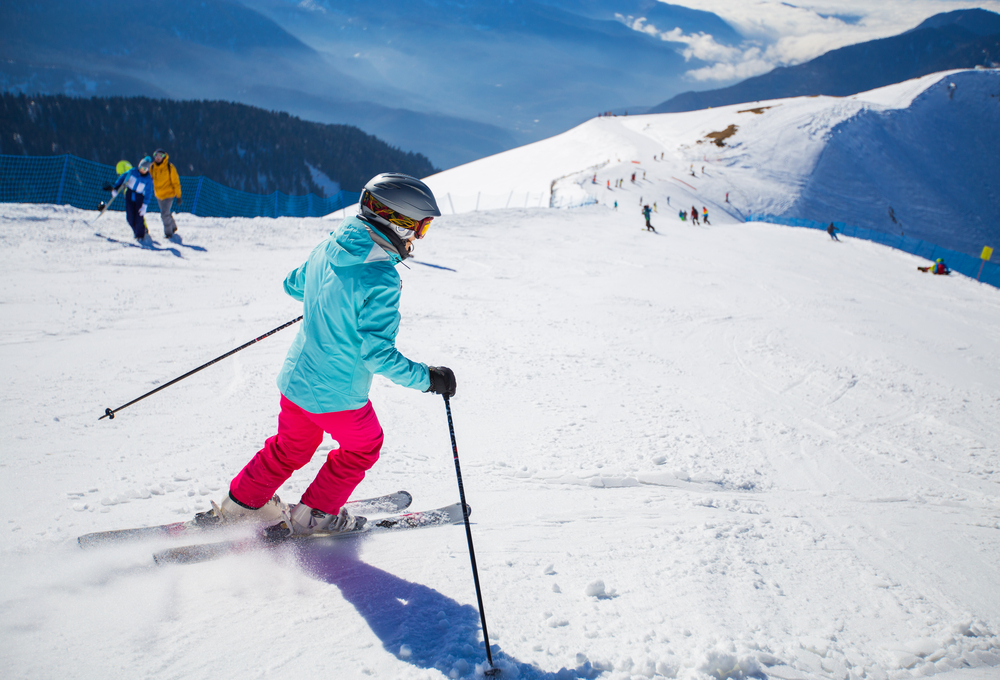
Skiing is a winter activity many look forward to all year, and for good reason! But if you wear hearing aids, you might wonder if it’s safe (or practical) to wear them on the mountain. In many cases, you can ski with your hearing aids, as long as you take a few precautions to protect both your devices and your hearing.
Today, we’ll look at a few items to consider before hitting the slopes.
Benefits of Wearing Hearing Aids While Skiing
Better Awareness on the Slopes
Skiing requires good situational awareness. The ability to hear approaching skiers, instructors, or lift operators can help keep you safe. Wearing your hearing aids may help you hear more clearly, especially in busy areas like lift lines or ski school zones.
Improved Communication With Your Group
If you’re skiing with friends, family, or an instructor, keeping your hearing aids in makes communication easier. You’ll be able to hear instructions, warnings, or changes in plan without the frustration of miscommunication.
Staying Connected in the Lodge
Whether you’re ordering food, talking to staff, or warming up with your group, wearing your devices allows you to move through your ski day with confidence and comfort.
Potential Risks to Consider
Cold Temperatures
Extreme cold can affect battery performance and cause devices to drain more quickly. While hearing aids generally tolerate winter conditions, it’s smart to keep spare batteries or a portable charger on hand.
Moisture and Snow Exposure
Snow can melt and cause moisture to enter the microphone or battery compartment. Water-resistant hearing aids help, but no device is completely waterproof. Helmets, headbands, or ear coverings add an extra layer of protection.
Risk of Losing a Device
Falls happen, even to experienced skiers. A secure fit is important to prevent your devices from coming loose on the slopes.
How to Keep Hearing Aids Safe While Skiing
- Wear a helmet or ear covering: A ski helmet with ear flaps, or a warm headband, can protect hearing aids from wind, moisture, and impact.
- Use retention clips or sports locks: These small accessories help keep hearing aids secure during movement.
- Choose water-resistant models if possible: If you have newer hearing aids, they may already be designed to withstand moisture better than older models.
- Carry a drying kit: Using a hearing aid dehumidifier overnight can help remove moisture picked up during the day.
- Keep spare batteries or a charger: Cold weather decreases battery efficiency, so backup power is important.
When You Might Not Want to Wear Hearing Aids While Skiing
You may prefer to leave your hearing aids off during skiing if:
- You’re doing high-speed runs where wind noise is overwhelming
- You have older devices that are more sensitive to moisture
- You’re skiing in heavy snow or wet conditions
- You’re concerned about device loss and don’t have retention accessories
Some people choose to ski without their hearing aids and put them back in once they’re off the slopes and indoors again. It’s your decision, and both approaches can work.
Hearing Aids While Skiing: A Personal Choice
You can wear hearing aids while skiing, and many people do so comfortably with the right precautions in place. If communication and situational awareness matter most to you, keeping them in may be the better choice. If you’re worried about moisture or device loss, you might opt to keep them protected until you’re off the mountain.
If you’re unsure what’s best for your specific devices, your hearing care provider can help you create a plan that keeps both you and your hearing aids safe this winter. Check with us by getting in touch at Colorado Ear Care today.