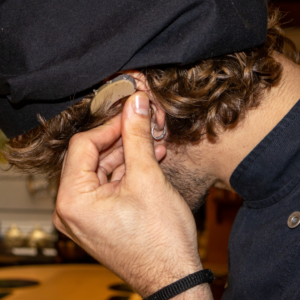

While auditory decline is statistically prevalent, pervasive misconceptions often deter individuals from pursuing clinical intervention. Early diagnostic accuracy is essential for anyone experiencing the onset of hearing loss. Subscribing to auditory misinformation can hinder treatment timelines and compromise social connectivity.
If you have concerns about your hearing, knowing the truth (and the myths!) can help you make informed decisions about your health and proceed with greater confidence. We will now examine seven prevalent auditory myths and the clinical evidence that refutes them.
The Fallacy of Senior-Only Hearing Loss
While sensory shifts are frequent in seniors, hearing loss remains a cross-generational health concern. Auditory challenges in children and young adults often stem from noise pollution, heredity, or pharmaceutical side effects.
The “aging myth” frequently prevents young and middle-aged adults from pursuing an essential hearing test.
The “I Can Still Hear” Fallacy
Clinical hearing loss exists on a spectrum and rarely results in immediate total silence. In fact, many people with mild or moderate hearing loss can still hear sounds, but they struggle to understand speech clearly. Between perfect hearing and total hearing loss is a wide spectrum of hearing challenges.
Common indicators include struggling with speech in noise, requesting repetition, or experiencing post-social cognitive fatigue. These markers represent initial auditory shifts that warrant a professional evaluation.
3. Myth: Hearing Loss Is Simply an Inconvenience
Untreated hearing loss can affect more than just communication. Data shows that failing to treat hearing issues can lead to brain atrophy and emotional health challenges.
Addressing hearing concerns early helps protect not only your ability to communicate, but also your overall well-being.
4. Myth: Hearing Aids Make Your Hearing Worse
The fear that hearing aids weaken the natural ear is a persistent but medically unfounded myth.
Properly programmed hearing aids pose zero risk of physical damage to the auditory system. Modern tech calibrates sound output to match the specific “gaps” found in your clinical hearing test. By stimulating the auditory nerve, these devices help prevent the “unlearning” of speech sounds in the brain.
Myth: All Hearing Aids are Bulky and Noticeable
Recent innovations in hearing science have prioritized both power and miniaturization. Contemporary hearing aids deliver elite processing power within incredibly discreet housings. Numerous models—such as Invisible-in-the-Canal (IIC) devices—remain completely hidden during daily use.
These devices provide high-tech solutions like automatic environment sensing and hands-free calling functionality.
Why Even Mild Hearing Impairment Requires Attention
Even a subtle auditory deficit can significantly increase the cognitive load required for daily conversation. Using hearing help for mild cases reduces the heavy “brain power” usually required to decode speech.
Patients who pursue early help experience a much smoother transition to using hearing technology.
7. Myth: Over-the-Counter Solutions Are Always Enough
While OTC options offer simple volume boosts, they cannot address the unique nuances of your ear health. A clinical hearing test allows an expert to program a solution specific to your biological requirements.
Individualized care ensures your device feels natural while providing crystal-clear sound quality.
Taking Control: Overcoming Misinformation for Better Hearing
Any change in hearing can feel scary, which is why many people brush it off and delay seeking care. But believing common myths about hearing loss can make symptoms more challenging over time. You’ll find that a hearing screening is a comfortable and highly enlightening clinical experience.
Taking the first step toward a hearing test is the best way to safeguard your long-term communication. Intervening early is a proven strategy for maintaining a high standard of living through better hearing.
Our practice is dedicated to your auditory wellness; reach out to us for a comprehensive review. Reach out to our care team now to begin your journey toward better hearing.