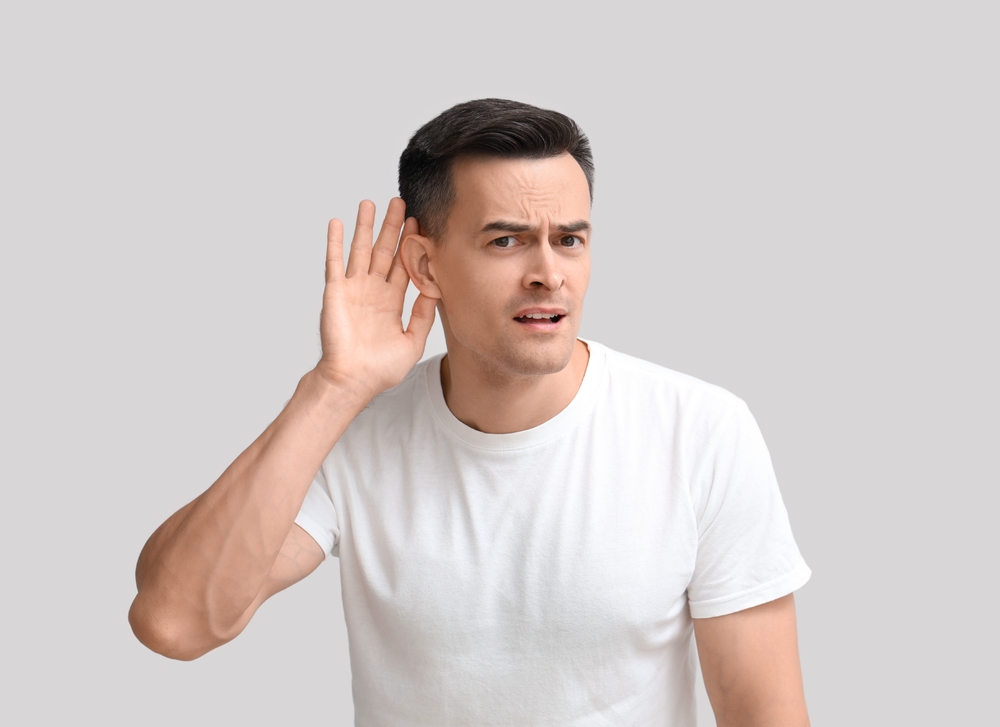
Have you ever felt totally drained after a long conversation or social gathering?
You may assume you’re just tired, stressed, or overwhelmed. And it’s true that for introverts or people with sensory issues, social situations can be exhausting. However, in many clinical scenarios, the underlying driver is a neurological phenomenon known as auditory fatigue.
Auditory fatigue happens when your brain has to work harder to process sound. If auditory input is degraded, the brain must engage in constant phonemic restoration to bridge the gaps in speech. This persistent neurological demand inevitably results in deep mental and emotional burnout.
Many people mistake auditory fatigue for ordinary tiredness. Critically, this exhaustion is often a primary indicator of underlying auditory pathologies. A comprehensive assessment can help determine whether hearing loss is contributing to your symptoms. If this cycle of exhaustion is recurring, consult an audiologist to investigate the influence of hearing loss.
The Physiological Triggers of Auditory Fatigue
The risk of developing auditory fatigue is increased by several physiological and environmental factors.
The Impact of Unmanaged Hearing Loss
The absence of treatment for hearing loss is the most frequent driver of this neurological strain.
The inability to capture high-frequency sounds forces the brain to work double-time to interpret the message. This perpetual state of “phonemic guessing” elevates cognitive load and triggers rapid burnout during dialogue.
The Challenge of Complex Soundscapes
Busy environments can worsen auditory fatigue. Restaurants, meetings, family gatherings, and social events often include background noise competing with speech.
Processing concurrent audio streams requires the brain to perform intense “auditory scene analysis” to find the primary speaker. This intensive filtering often leads to cognitive overload, even in patients with “hidden” or sub-clinical hearing loss.
The Role of Tinnitus in Auditory Fatigue
The presence of tinnitus creates a dual-processing burden, forcing the brain to manage both phantom internal signals and legitimate external sound.
Degraded signal quality resulting from hearing loss forces the auditory cortex into an inefficient processing loop.
Common Signs of Auditory Fatigue
Symptoms of auditory fatigue typically bridge the gap between mental clarity and physical stamina. Typical red flags for this condition include:
- Experience of deep cognitive depletion following verbal interaction
- Difficulty concentrating during meetings or group discussions
- Headaches after long listening periods
- Irritability or frustration in social settings
- Self-isolation as a defense mechanism against listening effort
- Compulsive need for rest after navigating a noisy environment
Should these signs become habitual, they serve as evidence of excessive cognitive load.
The Cognitive Cost of Auditory Decline
When hearing is clear, the brain can process speech almost effortlessly. Conversely, hearing loss forces the brain to redirect energy from other executive functions to assist in sound decoding.
Audiologists and neurologists define this extra effort as a high cognitive load. It involves the brain siphoning energy from memory retrieval and focus to prioritize basic speech understanding. Over time, this extra effort can leave you feeling mentally depleted. Standard dialogue, which should be easy, becomes a high-intensity cognitive task.
How a Hearing Test Can Identify the Problem
When fatigue becomes a daily burden, a professional evaluation provides the necessary data for a solution. In the clinic, an expert will assess your ability to detect specific pitches and interpret clear speech. They may also evaluate how well you understand speech in background noise, which can reveal challenges that may not appear in quiet settings.
A professional assessment confirms the link between your ears and your exhaustion, enabling targeted care. Early diagnosis facilitates prompt intervention, preventing the onset of chronic cognitive load issues.
How Modern Technology Lowers Cognitive Load
The right hearing treatment acts as a “pressure release valve” for the brain’s processing centers.
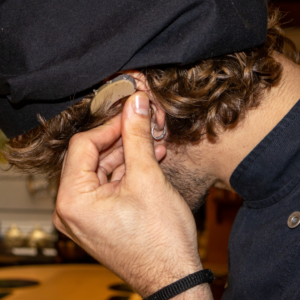
High-tech hearing aids do the “heavy lifting” for the brain by isolating and clarifying voices in real-time. This allows the brain to receive clearer signals without constantly trying to fill in missing sounds.
As the cognitive burden of hearing is lifted, patients typically report gains in:
- Mental energy throughout the day
- Increased attention span during long discussions
- Feeling relaxed and confident in noisy environments
Lowering the cognitive cost of communication allows social life to feel effortless once more.
Recognizing the Right Moment for a Hearing Test
You should prioritize an audiological consultation if the following conditions apply:
- You feel exhausted after conversations
- Others comment on your need for frequent repetition during social calls
- You find yourself “guessing” at words in loud settings
- Social withdrawal is becoming your default response to difficult acoustics
Seeking prompt audiological care is the most effective way to reclaim your energy and social confidence.
FAQs About Auditory Fatigue
Distinguishing Between Exhaustion and Impairment
No. Auditory fatigue refers to the mental exhaustion caused by intense listening effort. Most people experience auditory fatigue as a direct consequence of their hearing loss.
Can Technology Lower My Cognitive Load?
Yes. By improving sound clarity and reducing background noise, hearing aids can significantly decrease the mental effort required to understand speech.
Can Auditory Fatigue Be Cured?
With the right treatment, the exhaustion associated with auditory fatigue is often completely reversible.
End Your Struggle with Auditory Fatigue Today
Socializing should replenish you, not leave you feeling drained. When simple listening becomes a chore, it is a sign of an inefficient auditory processing loop.
Don’t wait for the burnout to get worse; schedule your audiological check today. Reclaim your social life and your energy by getting the truth about your auditory health today.