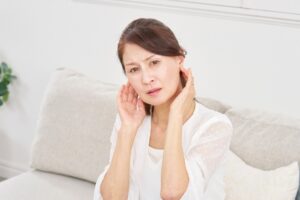

While auditory decline is often linked to senescence or acoustic trauma, seasonal variables significantly influence functional hearing. Feeling seasonal ear pressure or summer-related canal inflammation is a valid medical observation for many patients. Occurrences of seasonal hearing loss symptoms are frequently tied to the atmospheric and biological changes of the rotating year.
Fortunately, identifying the seasonal stressors on your auditory system helps distinguish transient issues from chronic pathologies.
Understanding the Mechanisms of Seasonal Auditory Shifts
The ears operate in tandem with the nasopharynx and the body’s inflammatory response systems. That means changes in temperature and allergens can influence fluid balance, inflammation, and pressure in the ear.
Although meteorological changes do not trigger permanent sensorineural loss, they frequently induce conductive hearing dullness.
The Winter Ear: Navigating Cold Climes and Indoor Heating
Cold weather periods are notorious for higher rates of sinus inflammation and upper respiratory issues. Inflammation of the nasal mucosa often occludes the Eustachian tubes, preventing proper pressure equalization. Should the tubes fail to equalize pressure, the following symptoms often arise:
- Muffled hearing
- A perception of fluid in the ear canal
- Occasional equilibrium disturbances
- Ongoing pressure fluctuations
Forced-air heating creates arid indoor environments that dehydrate the nasal membranes and trigger swelling. Occasionally, serous effusion develops behind the tympanic membrane, hindering acoustic conduction.
Fortunately, the majority of winter-based seasonal hearing loss symptoms resolve once nasal airflow is restored. Conversely, chronic fluid retention or recurring winter ear infections require a specialist’s intervention.
Warm Weather Triggers: Pollen and Moisture Risks
The arrival of spring introduces high concentrations of airborne pollen and botanical irritants. Seasonal allergies can cause inflammation in the nasal passages and Eustachian tubes, leading to temporary hearing changes similar to those seen during winter illnesses.
Frequent summer-based ear complaints include:
- Increased ear weight
- Mild hearing dullness
- Noticeable ear tightening
Excessive water exposure can trigger swimmer’s ear, an infection of the external canal resulting in pain and hearing obstruction. High humidity and sweating can also increase earwax buildup, causing blocked or muffled hearing.
Seasonal Travel: Managing Pressure Shifts on Flights
Vacation-related flights subject the middle ear to sudden pressure variations that can impact hearing clarity. While the ears typically self-regulate, a failure to “pop” or equalize may indicate underlying Eustachian tube issues.
When to Seek Professional Help for Ear Symptoms
The vast majority of seasonal hearing loss symptoms are transient and fade as the body heals.
Nevertheless, you must contact an audiologist if any of the following arise:
- Sudden-onset hearing failure
- Persistent muffled hearing that lasts more than a few weeks
- Chronic equilibrium disturbances
- Persistent tinnitus symptoms
- Ear pain or drainage
Symptoms that seem weather-related might actually mask a deeper auditory pathology requiring early intervention.
Protect Your Hearing in Every Season
Strategies like winter humidification and summer ear-drying significantly lower the chance of seasonal ear infections. Maintaining a baseline hearing test helps track whether seasonal changes are becoming permanent.
Should your seasonal hearing loss symptoms persist or intensify, a professional diagnostic can offer essential reassurance. While your environment impacts your ears, proactive management ensures consistent hearing throughout the year.
Our specialists are ready to assist: Reach out today for a professional ear health review.