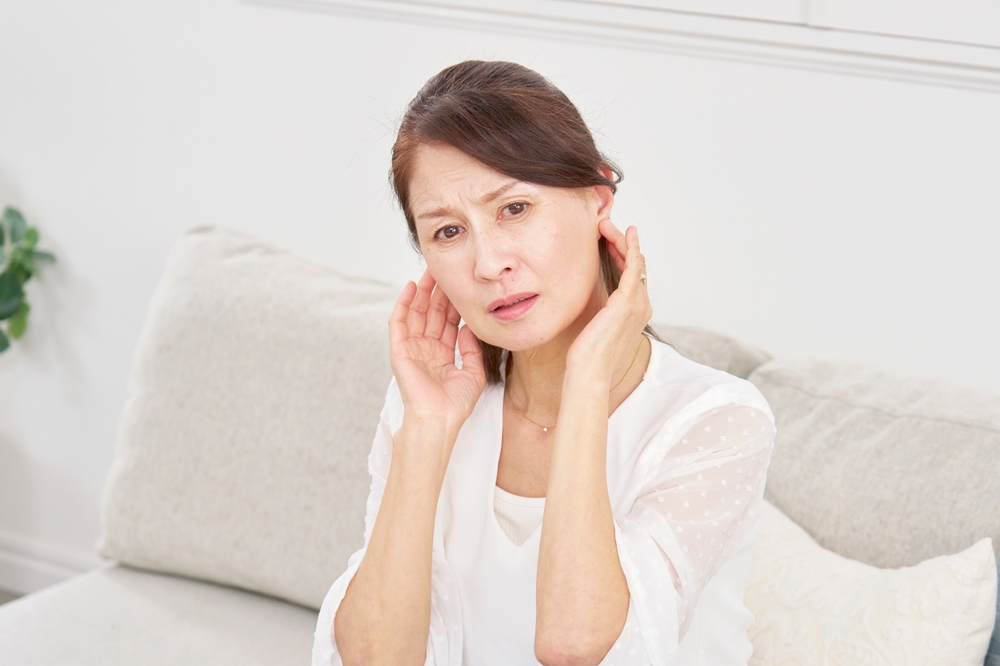
Discovering an abrupt inability to hear after sleep is a deeply alarming scenario. The experience of dropping auditory function instantly, particularly in the absence of pain, is inherently distressing. While some causes are temporary and easily treated, others require immediate medical attention.
Analyzing the standard reasons behind sudden deafness and knowing when to seek for help is vital for your long-term health. Below, we review the traits of sudden hearing impairment together with clinical guidance on contacting a specialist.
What Is Sudden Hearing Loss?
We define sudden hearing loss as a distinct drop in auditory sensitivity that typically manifests within a 72-hour window. This impairment is usually one-sided, although it can show up in both ears under specific circumstances. Presentations include dullness of sound, persistent ringing, a feeling of pressure, or an inability to follow conversation.
The Urgency of Sudden Sensorineural Hearing Loss (SSHL)
Among all triggers, SSHL demands the most immediate medical assessment.
We categorize this loss as a failure of the inner ear or the complex nerve systems involved in sound transmission. It often develops without a distinct trigger, but likely factors include:
- Restricted circulation inside the cochlear system
- Systemic inflammatory catalysts or autoimmune reactions
- Viral infections
- Advanced neurological conditions
SSHL is considered a medical emergency because early treatment can significantly improve recovery.
Viruses and Inner Ear Health
Viral activity often leads to swelling in the hearing nerve, resulting in significant auditory changes.
Medical research connects the following viruses to swift changes in hearing sensitivity:
- Typical respiratory tract pathogens
- Influenza
- Neural infections
- Post-COVID viral effects
Sudden deafness can align with viral symptoms, frequently appearing with vertigo or a feeling of fullness.
Head or Ear Trauma
Traumatic events such as head strikes, barotrauma, or high-decibel exposure can compromise the ear’s fragile anatomy.
Common drivers of injury-based hearing loss involve:
- Acute head strikes and concussive events
- Acoustic or atmospheric barotrauma
- Sudden blasts of loud noise
- Physical displacement of inner ear fluids
Auditory symptoms that follow even a slight head or ear injury require a specialist review.
Earwax Buildup or Blockage
Though cerumen buildup is typically benign, a significant blockage can trigger an immediate shift in hearing perception.
When wax is the main cause, the hearing change may:
- Develop quickly
- Feel like fullness or pressure
- Primarily impact a single ear
- Clear up following the expert extraction of the wax
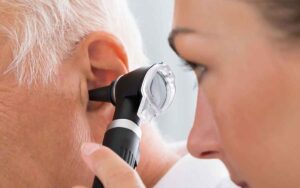
Importantly, it’s not always possible to tell at home whether hearing loss is due to wax or something more serious. Therefore, seeking a professional clinical opinion is the only safe course of action.
Other Possible Causes of Sudden Hearing Loss
Other variables that can influence a sudden drop in hearing include:
- Pharmaceutical side effects
- Vascular irregularities in the auditory pathway
- Abnormal immune responses targeting the auditory system
- Small growths on the hearing nerve
A detailed assessment by an expert provides the clarity needed to rule out these rare conditions.
The Time-Sensitive Nature of Treating Hearing Loss
One of the most important messages around sudden hearing loss is don’t wait and see.
A fast response from an audiologist can help:
- Pinpoint underlying issues that can be reversed
- Boost the effectiveness of treatment
- Protect against lasting damage to the auditory nerve
- Limit the social and personal toll of long-term hearing impairment
Hearing assessment plays a pivotal role in determining the type and severity of hearing loss and guiding next steps.
Identifying Red Flags for Urgent Hearing Care
It is critical to consult a professional instantly if you notice the following:
- An abrupt inability to hear clearly in either ear
- Hearing impairment coinciding with physical instability
- The rapid onset of tinnitus or aural fullness
- Loss of hearing that manifests after a health crisis or head impact
Even if hearing returns partially, evaluation is still important to find out what’s going on.
How Hearing Tests Provide Immediate Solutions
A professional test provides an immediate answer as to whether the impairment is:
- A conductive issue involving the middle ear or ear canal
- Nerve-based (inner ear or nerve-related)
- Transient or potentially permanent
Swift testing is the foundation for timely medical action and superior long-term results.
Prioritizing Your Auditory Health and Peace of Mind
Abrupt hearing loss is bound to feel alarming, but the sooner you seek care, the more options you may have to address it.
Securing an expert assessment following a sudden auditory shift is the best way to safeguard your long-term wellness. We’re here for you if you experience sudden hearing loss: Call our care team as soon as possible at our office for the help you need.